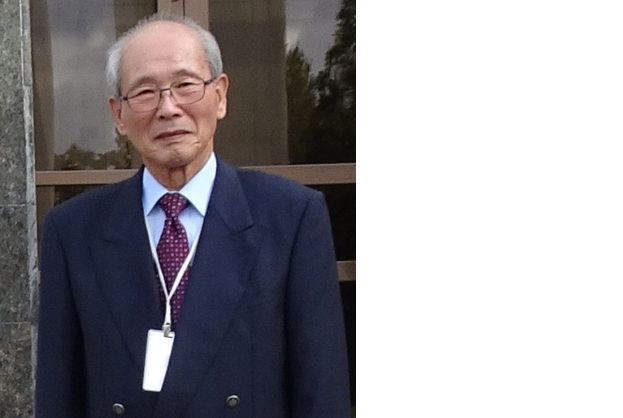
Seiji Yuasa
Seiji Yuasa ( – 2019)
Professor, scientific worker and lifelong advocate for peace, academic freedom and the social responsibility of science.
“Scientific workers are responsible for establishing a lasting peace.”
– Seiji Yuasa
Proposal: The Future Activity of the World Federation of Scientific Workers
WFSW Executive Council, Berlin, 30 May 2007.
Professor Seiji Yuasa, Vice-President of the World Federation of Scientific Workers (WFSW), was an active campaigner whose exceptional scientific rigour, unwavering personal commitment and dedication to the scientific workers’ movement left a profound mark on the Federation for many decades.
Deeply influenced by the tragedy of Hiroshima and Nagasaki, he devoted much of his life to promoting nuclear disarmament and the complete abolition of nuclear weapons. Through his writings and his constant appeals for peace, he reminded the international community that the devastating consequences of the atomic bombings of 1945 remain an enduring lesson for humanity.
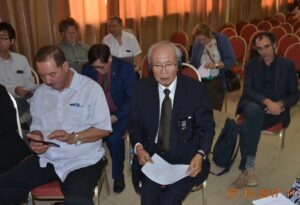
For Seiji, the struggle for peace was never confined to nuclear disarmament alone. He also addressed international relations, social responsibility and the protection of workers’ rights, firmly believing that scientific workers formed an integral part of the wider labour movement. Even in the final months before his passing, he continued to write and intervene on key global issues, reflecting an unwavering dedication to peace and human progress.
Colleagues remember Seiji Yuasa as a man of exceptional integrity, intellectual rigour and quiet determination. His thoughtful contributions, generosity and unwavering commitment earned him the respect and friendship of scientific workers across the world.
His Legacy
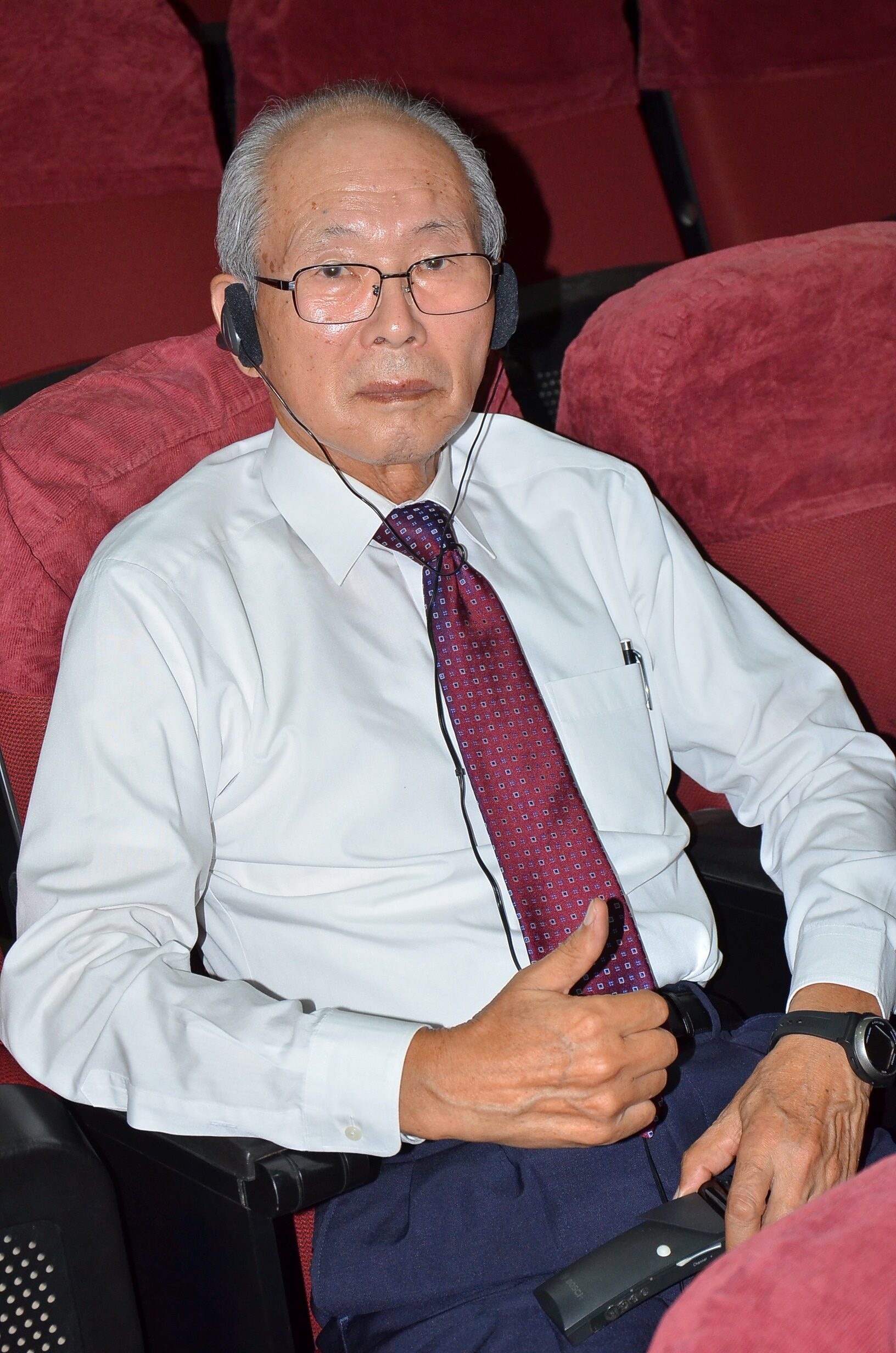
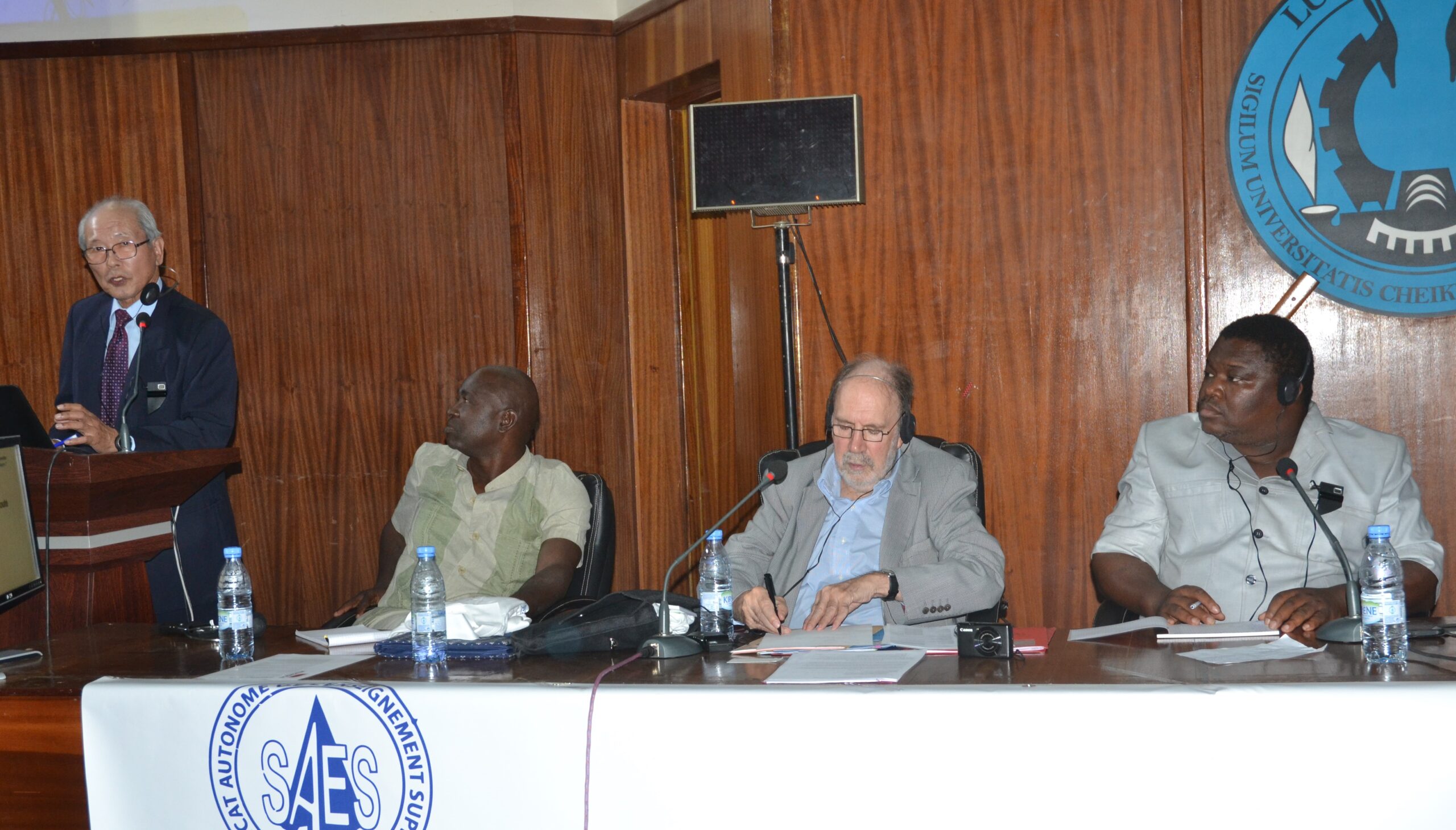
Throughout his years within the WFSW, Seiji Yuasa consistently argued that scientific knowledge carries responsibilities as well as opportunities. He believed that science should always serve humanity and that scientific workers have a duty to defend peace, human rights and social progress.
His contribution to the WFSW extended far beyond the campaign for nuclear disarmament. As a representative of the Japan Scientists’ Association (JSA), where he chaired the Committee for Scientific Workers’ Rights, he defended academic freedom, university autonomy and the rights of scientific workers, warning against the growing influence of political, military and commercial interests over research and higher education.
Over many years, Seiji regularly participated in WFSW Executive Councils, General Assemblies and other international meetings, contributing to the Federation’s discussions through papers, proposals and interventions. Peace and nuclear disarmament, the social responsibility of scientific workers, academic freedom, the rights of scientific workers and the relationship between science and society were among the recurring themes of his work.
At the WFSW International Symposium Science, Knowledge and the Market, held in Lisbon in October 2004, Seiji presented two papers that reflected the causes which remained at the centre of his life’s work: the social responsibility of scientific workers in building peace, and the defence of university autonomy and academic freedom.
In 2007, he proposed a vision for the future activities of the WFSW, affirming that scientific workers have a responsibility to ensure that science and technology are used exclusively for peaceful purposes and for the benefit of humanity. He also emphasised that defending the profession and the human rights of scientific workers is inseparable from fulfilling that responsibility.
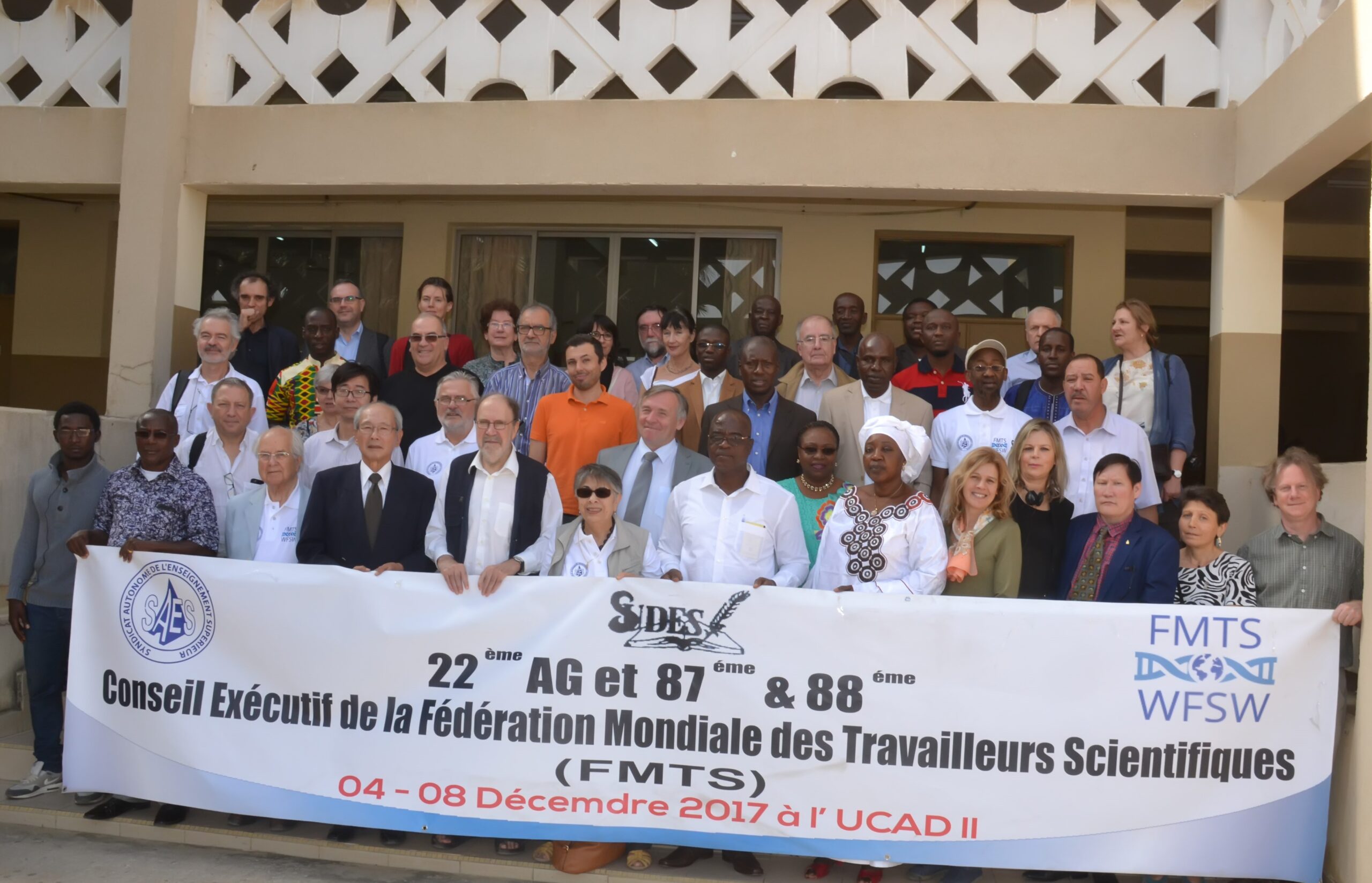
His active involvement continued over the years. In 2012, during the 81st WFSW Executive Council in Algeria, Seiji addressed the role of scientific workers in contemporary Japanese society, including their relationship with citizens, government and corporations, and their responsibilities in research and policy-making. Years later, he remained an active participant in the Federation’s meetings, as illustrated, among other examples, by the WFSW meetings in Dakar in 2017.
Until the final years of his life, Seiji continued to advocate the complete elimination of nuclear weapons, calling for renewed international action to build a world free from nuclear arms and reminding the international community that the lessons of Hiroshima and Nagasaki must never be forgotten.
Seiji Yuasa’s lifelong commitment reminds us all that science reaches its highest purpose when placed at the service of humanity, peace and international cooperation. His example continues to inspire the World Federation of Scientific Workers and future generations of scientific workers throughout the world.
Selected contributions by Seiji Yuasa:
2004 — Role of Scientific Workers on Constructing World Peace: Their Social Responsibility
International Symposium Science, Knowledge and the Market, Lisbon, 21–23 October 2004 — 2004-Role of scientific workers
2004 — Newly Established “University Agency” Collapses Japanese Higher Education’s Foundation
International Symposium Science, Knowledge and the Market, Lisbon, 21–23 October 2004 — 2004-Newly established University agency
2007 — Proposal: The Future Activity of the World Federation of Scientific Workers
WFSW Executive Council, Berlin, 30 May 2007 — 2007-The Future Activity of the WFSW
2012 — Scientific Workers’ Role in a Capitalistic Country Japan
WFSW Executive Council, Algeria, September 2012 — 2012-Japan-scientific workers role
2016 — New Challenge of Nuclear Disarmament in 2016
86th WFSW Executive Council / Working Group I — 2016-New challenge of nuclear disarmament